Get in touch today to request a quote:

Glossary: Marine safety equipment
Back to news

Glossary: Marine safety equipment

An A-Z of of terms for gear designed to enhance safety on a vessel during normal operations and emergencies

Davits/hook system

A davit is a crane-like device used to lower and raise lifeboats and rescue boats. The hook is a crucial component that secures the boat and allows for quick release during an emergency launch. Davit and hook systems must meet SOLAS standards and undergo regular servicing to ensure reliability.

EPIRB (Emergency Position Indicating Radio Beacon)

A battery-powered distress beacon that, when activated, sends a signal via satellite to alert search and rescue services. It transmits the vessel’s identity and location, helping rescuers respond quickly in life-threatening situations.

Mandatory on many commercial vessels, EPIRBs must be regularly tested and properly registered to ensure reliability in an emergency.

Fire systems

Fixed or portable systems used to detect, control, or extinguish onboard fires. Includes fire suppression, detection, and alarm systems – often integrated with a vessel’s firefighting equipment.

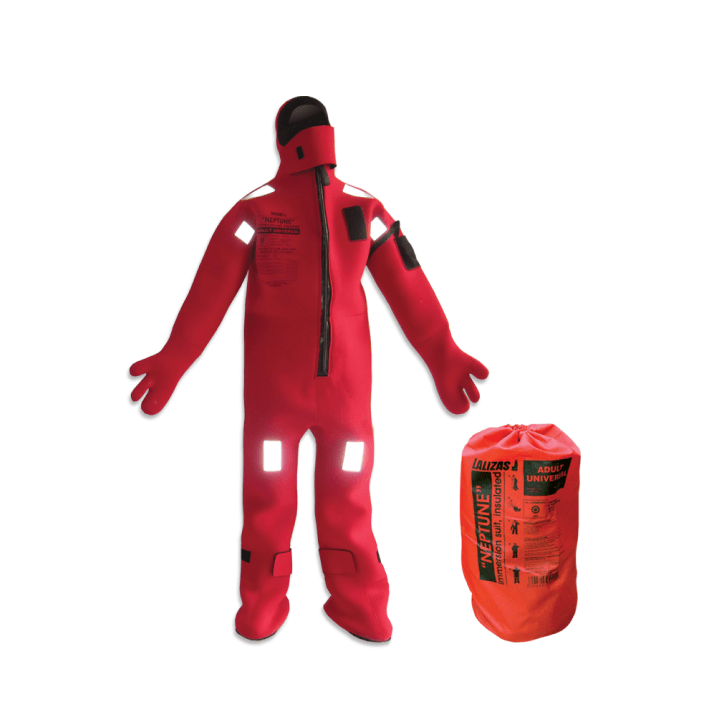
Immersion suit

A waterproof, thermally insulated suit that covers the entire body except for the face, designed to protect against hypothermia in cold water. Required in many maritime sectors, particularly for operations in colder climates.
Life saving appliances (LSAs)

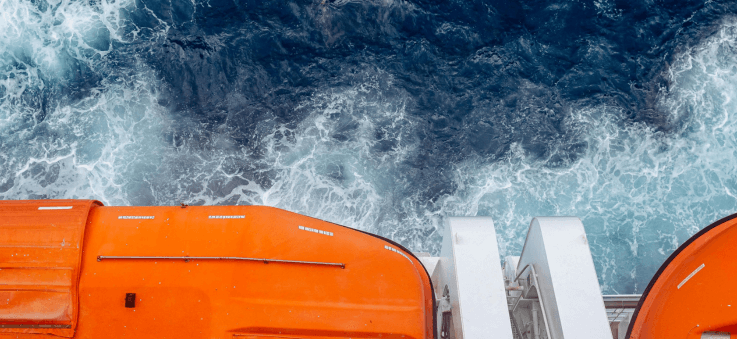
A category of marine safety equipment specifically designed to protect and preserve life in emergency situations. Examples include lifeboats, liferafts, immersion suits, and lifejackets. Primarily focused on evacuation and survival during disasters such as capsizing, fire, or sinking.

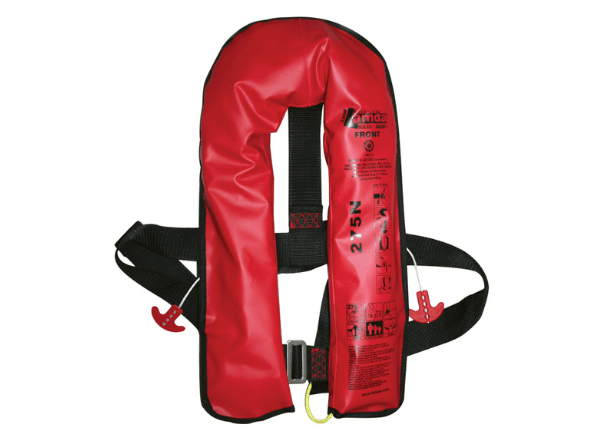
Lifejacket

A personal flotation device designed to keep the wearer’s airway above water, even if unconscious. Available in various styles, including foam and inflatable types. SOLAS-approved lifejackets are required on most commercial vessels and must be fitted with lights and whistles for night-time visibility and alerting.

Lifeboat

A rigid survival craft designed to evacuate crew and passengers in the event of an emergency. Lifeboats are typically equipped with provisions, distress signals, and survival equipment, and can be launched via a davit system.

Liferaft

An inflatable survival craft used for emergency evacuation if the vessel must be abandoned. Liferafts are packed in hard canisters or soft valise bags and inflate automatically when deployed.

They’re equipped with essential survival gear – including water, rations, paddles, flares, and a first aid kit – and are designed to keep survivors afloat and protected until rescue.

SOLAS-approved liferafts are required on most commercial vessels and must be serviced at approved intervals by a certified service station.

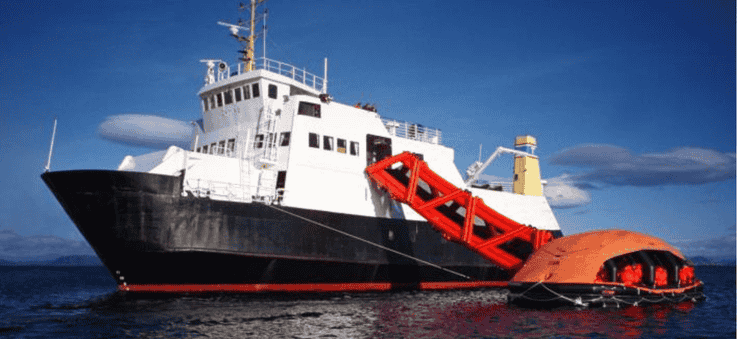
Note: Liferafts are a component of Marine Evacuation Systems (MES), but the two are not identical. Liferafts are integral to Marine Evacuation Systems, but an MES refers to the entire rapid evacuation setup, including chutes/slides, deployment systems, and liferafts.

Liferafts, on the other hand, can function independently as part of a vessel’s life-saving appliances (LSA).

Marine evacuation system (MES)

A system used for rapid evacuation from a vessel, MESs typically consisting of an inflatable slide or chute leading to liferafts. Commonly found on passenger ships and ferries to speed up evacuation times.

Marine safety equipment

A broad term covering all gear designed to enhance safety on a vessel during normal operations and emergencies.

This includes fire extinguishers, navigation lights, distress signals, life-saving appliances (LSAs), and personal protective equipment. The primary aim is to prevent incidents and maintain a safe environment on board.

Personal flotation device (PFD)

A buoyancy aid worn by individuals to keep them afloat in water. Includes lifejackets and buoyancy aids, with SOLAS-approved versions required for commercial vessels.

Pyrotechnics

Distress signals, such as flares and smoke signals, used to attract attention during maritime emergencies. These are essential for compliance with international safety regulations.

Radar reflector

A device used to enhance a vessel’s radar signature, improving visibility to other ships and reducing the risk of collision, especially for smaller craft.

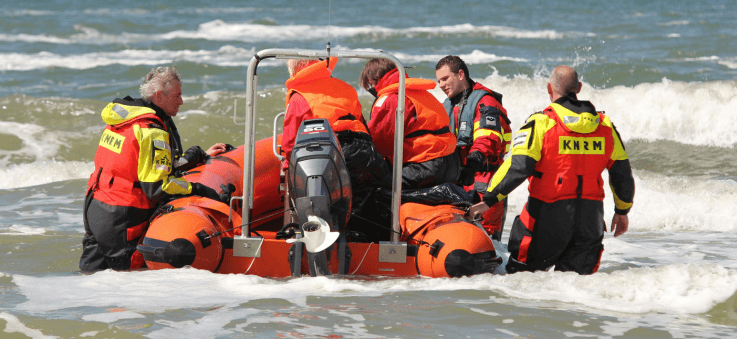
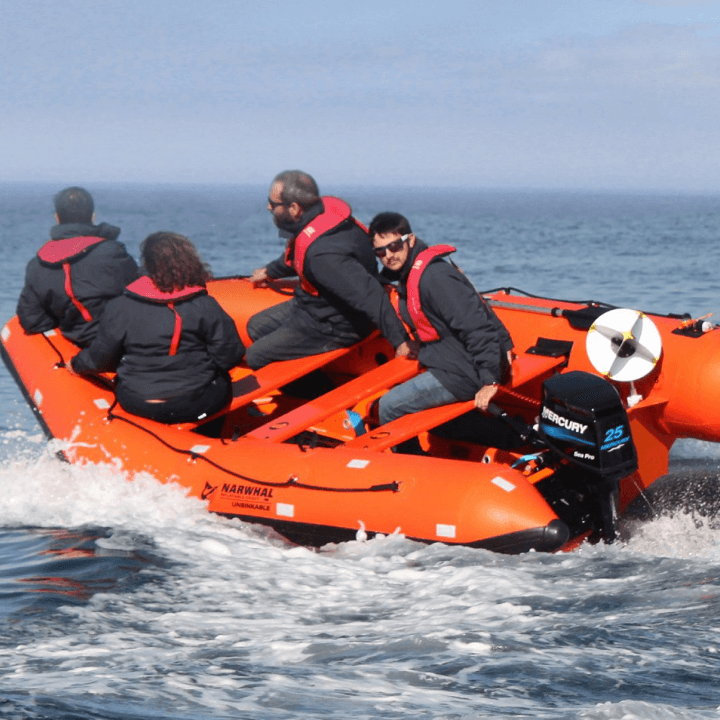
Rescue boat

A boat carried on board for the purpose of recovering persons in distress, assisting in evacuations, and gathering liferafts. Designed for manoeuvrability and quick deployment.

SART (search and rescue transponder)

A portable emergency device that responds to radar signals to help rescuers locate a vessel or survival craft. When activated, it shows a clear pattern on nearby radar screens. SOLAS requires SARTs to be carried on survival craft such as liferafts or rescue boats.

SOLAS (Safety of Life at Sea)

An international maritime treaty that sets safety standards for the construction, equipment, and operation of ships to ensure the safety of life at sea. Compliance with SOLAS regulations is mandatory for most commercial vessels.

Survival craft

A category of emergency craft, including lifeboats and liferafts, designed to keep people safe after abandoning ship. These must be properly maintained and regularly serviced to ensure they remain in working order.

Whistle and light (lifejacket accessories)

Standard attachments on SOLAS-approved lifejackets. The whistle is used to attract attention in low-visibility situations, while the light increases visibility in the dark or in poor weather conditions.

Need some help?

Get in touch today to request a quote.

"*" indicates required fields