Get in touch today to request a quote:

Dry docking guide: planning, compliance and practical tips
Back to news

Dry docking guide: planning, compliance and practical tips

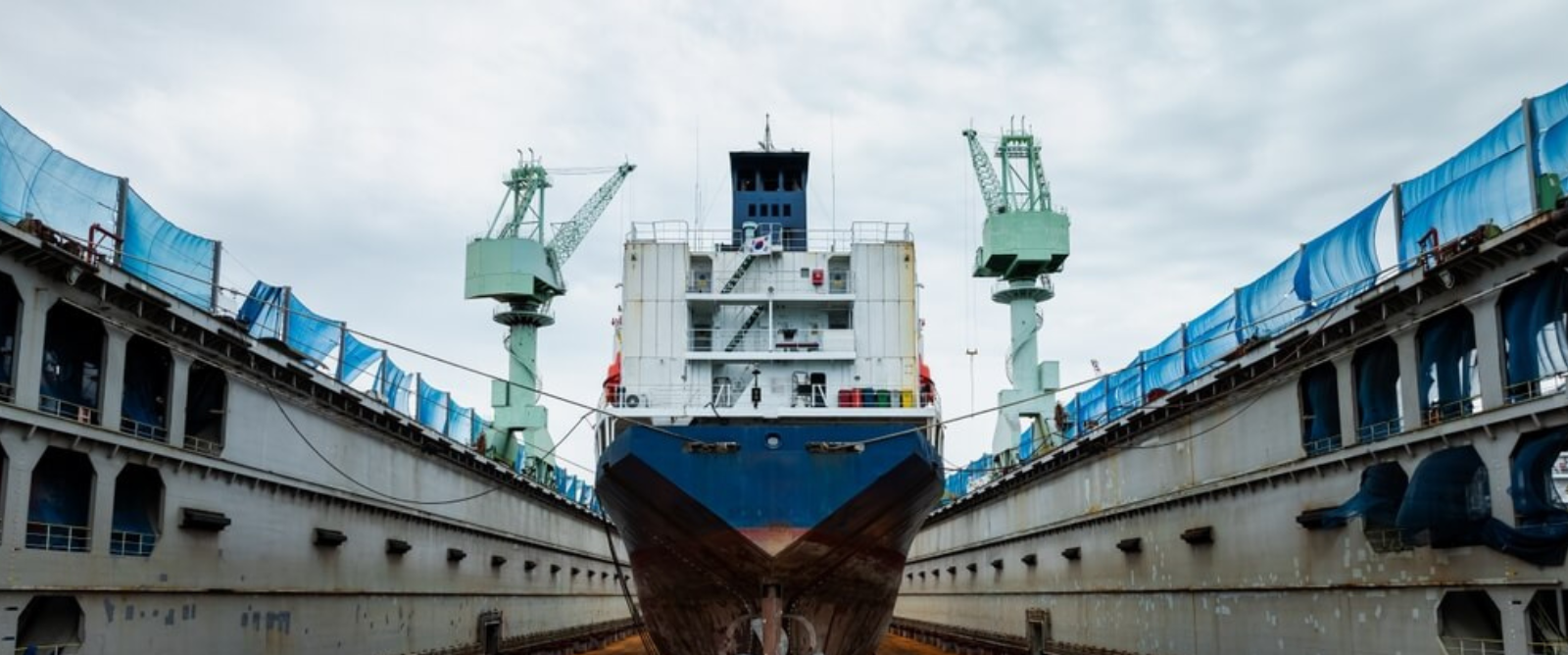
Dry docking is one of the most significant scheduled events in a vessel's lifecycle. It provides full access to the hull, propulsion system, underwater arrangements, and major safety equipment, allowing technical teams to complete work that simply can’t be done while the vessel remains in service. Here's an in-depth guide to dry docking planning, compliance, and coordination

When planned well, docking keeps the vessel efficient, compliant, and ready for the next service cycle. When planned poorly, it causes delays, unplanned spend, and avoidable disruption.

A docking period typically aligns with statutory surveys, structural repairs, mechanical work, safety servicing, and equipment upgrades. Most chief engineers and superintendents begin planning months in advance to secure yard slots, contractors, spares, and survey windows.

Most dry docking issues come down to scope definition, sequencing, survey planning and documentation readiness: this guide explains how to manage all four.

What dry docking involves: hull maintenance, safety systems, and critical onboard maintenance

Dry dock maintenance schedules typically include ship repair work, marine survey requirements, and statutory inspections that ensure ongoing vessel certification.

Once the vessel is positioned on the blocks and the dock is drained, the core structural and mechanical work begins. Hull preparation and coating, steel repairs, valve overhauls, sea chest cleaning, thruster maintenance, shaft inspections, and cooler work are all commonly completed during this phase. Class and flag inspections run in parallel.

Safety-related work is also easier when the vessel is out of service. Firefighting systems, extinguishers, fixed installations, SCBA, EEBD, and all life-saving appliances (LSA) can be fully accessed (in this context, LSA refers to the SOLAS category of equipment: marine evacuation systems, liferafts, lifeboats, hooks, and davits).

Refrigeration and HVAC work is often completed during dockings because machinery can be isolated safely and spaces are easier to access on shore power.

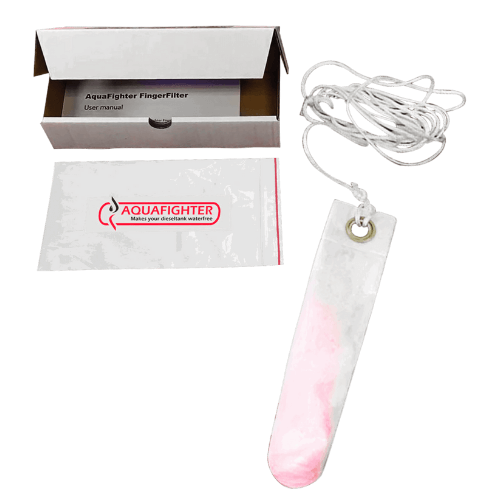
Fuel and water systems also benefit from downtime. Many operators use the docking window to complete fuel sampling, microbial checks, sludge removal, fuel treatment dosing, and stabiliser programmes. Fresh-water tanks can be opened, cleaned, shock-dosed, and recertified, giving crews a clean baseline for the next voyage cycle.


The dry docking process (step-by-step)

Dry docking works best when it’s treated as a managed project, and not just a maintenance window: sequencing, documentation, access planning, and safe control of simultaneous operations are all key considerations.

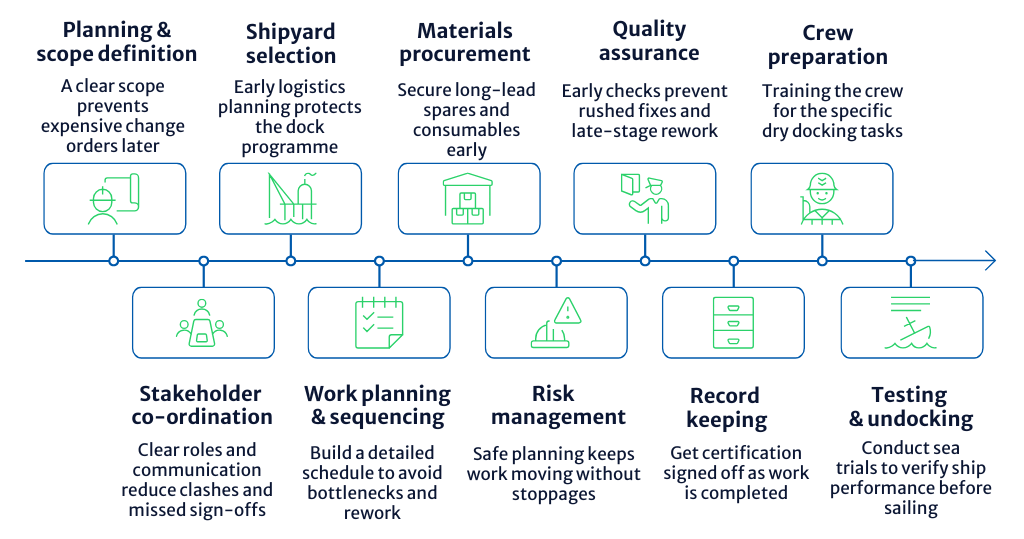
1. Planning and scope definition

Start early by defining what must be completed during docking, what can be deferred, and what work depends on equipment access or survey attendance. A clear scope protects the schedule and limits expensive change orders once the vessel is in dock.

2. Shipyard selection and logistics

Choose a shipyard with proven experience for your vessel type and expected scope. Confirm availability, facilities, lifting capacity, waste handling, access restrictions, and shore power arrangements early: these details often directly impact whether the dock runs smoothly.

3. Stakeholder co-ordination

Align shipyard personnel, contractors, crew, classification society, and any flag-state requirements from the start. Clear communication prevents duplicated work, clashes in confined spaces, and missed sign-offs.

4. Work planning and sequencing

Build a detailed work plan that sets the order of work by system, space, and access priority. This helps avoid bottlenecks and prevents rework, such as coating work being damaged by late-stage mechanical tasks.

5. Procurement of spares and consumables

Secure spares early, particularly high-risk components with long lead times. Missing parts remain one of the most common causes of dry dock delay.

6. Risk management and safety controls

Dry docking introduces additional hazards — confined spaces, hot work, isolation procedures, lifting operations, and simultaneous work by multiple contractors. Controls need to be defined early and enforced consistently.

7. Quality control during execution

Build inspection and testing into the work as it progresses, not just at the end. Catching issues early avoids rushed fixes once the schedule is under pressure.

8. Surveys, testing and certification

Plan statutory surveys, functional tests and commissioning steps into the programme with access arranged in advance. Required checks should be properly witnessed and recorded where applicable.

9. Documentation and close-out

Keep records current as the dry dock progresses, including job reports, certificates, inspection records, and evidence for class/flag. Good close-out documentation makes future maintenance planning easier and reduces friction during audits. Before sailing, ensure the crew are briefed on any new equipment, system changes or revised procedures.

10. Undocking and sea trials

Once all work is signed off, the vessel is undocked and returned to the water. Sea trials (where required) provide final confirmation that propulsion, steering, safety systems and critical equipment are operating as intended before the vessel returns to service.

Types of dry dock facilities

Dry docking can be completed in different facility types, depending on vessel size, region, and shipyard infrastructure:

  • Graving docks are permanent facilities suitable for large vessels and heavier structural work.
  • Floating docks are mobile and often used where fixed facilities are limited.
  • Syncrolift systems lift the vessel vertically before transferring it to an onshore work area.

Dry docking planning timeline (how far in advance to plan)

Dry dock planning often starts months in advance. The earlier the scope and logistics are defined, the more predictable the schedule and spend becomes.

A practical approach is:

  • early stage: define scope, budget, survey requirements and yard booking
  • mid stage: lock contractors, confirm spares lead times and set work sequence
  • final stage: scope-freeze where possible, confirm access arrangements, and ensure documentation readiness

What do inspectors typically look for?

Inspections during dry docking focus on whether a vessel is safe, seaworthy, and compliant, that systems perform as intended once recommissioned, and that work completed is properly evidenced.

While exact focus varies by vessel type and survey scope, inspectors commonly look for:

Survey preparation checklist

Survey delays are often caused by missing access, missing evidence, or unfinished reinstatement.

Key considerations for operators

Additional considerations for technical teams

Where the industry is heading

How Star International supports dry docking

Dry docking is one of the best opportunities to bring multiple workstreams together: not just to tick boxes, but to reduce disruption over the rest of the service cycle.

Where operationally possible, Star supports operators by co-ordinating safety servicing, compliance work and essential supply into one structured plan. That means fewer separate call-outs, less duplicated admin, and less downtime caused by fragmented scheduling.

With technicians based across the UK in Birkenhead (Wirral), Southampton, Falmouth and Glasgow, we support vessels in dry dock at major UK shipyards, and help technical teams align key workstreams to the same docking window. This typically includes:

For operators, the benefit is simple: a smoother dock, stronger documentation, and fewer maintenance surprises once the vessel is back in service.

Planning a dry docking? Don’t leave the scope to chance

Contact our team to discuss servicing, supply and compliance support during your docking window.

Need some help?

Get in touch today to request a quote.

"*" indicates required fields