Get in touch today to request a quote:

Glossary: Marine chemicals
Back to news

Glossary: Marine chemicals

An A-Z of of terms related to chemicals used for onboard cleaning and maintenance, fuel treatment, water treatment and disinfection.

Alkalinity

The capacity of water to neutralise acids, primarily due to the presence of bicarbonates, carbonates, and hydroxides. Maintaining proper alkalinity is crucial for effective water treatment.

Ballast water

Water taken onboard by vessels to maintain stability and balance. However, it can introduce invasive species when discharged into new environments, making its treatment essential to prevent ecological disruptions.

Bilge water

A mixture of water, oil, lubricants, cleaning fluids, and other wastes that accumulate in the lowest part of a vessel, known as the bilge. Proper treatment is necessary to prevent environmental contamination.

Coagulant

A chemical agent that causes particles in a liquid to clump together into larger aggregates, facilitating their removal through sedimentation or filtration. Commonly used in water treatment processes.

Disinfection

The process of eliminating or reducing harmful microorganisms from water or surfaces using chemical agents like chlorine (or chlorine alternatives) or physical methods such as UV light. Essential for ensuring water safety and preventing the spread of diseases.

Emulsion

A mixture of two immiscible liquids where one is dispersed in the other in the form of tiny droplets. In marine contexts, oil-in-water emulsions are common and require treatment to prevent pollution.

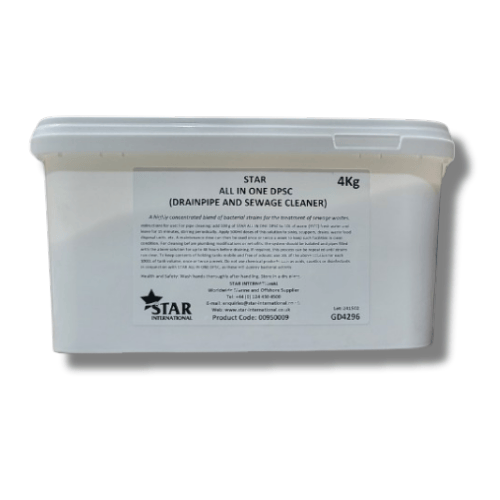
Flocculant

A chemical that promotes the aggregation of suspended particles into larger clusters, or flocs, enhancing their removal from liquids. In marine applications, flocculants are used to treat bilge water by separating oil residues, ensuring compliance with environmental regulations.

pH

A scale used to specify the acidity or basicity of an aqueous solution. Maintaining appropriate pH levels is vital for the effectiveness of chemical treatments and the prevention of corrosion in marine systems.

Sedimentation

The process by which suspended particles settle to the bottom of a liquid under the influence of gravity. In water treatment, sedimentation is a key step for removing solids from liquids.

Surfactant

A substance that reduces the surface tension between two liquids or a liquid and a solid, enhancing the cleaning process by allowing water to mix with oils and dirt. Commonly found in marine cleaning agents.


Get in touch today to discuss your requirements on +44 (0) 1244 504 500, or explore our range of marine-grade chemicals.

Need some help?

Get in touch today to request a quote.

"*" indicates required fields