To mitigate these risks, those responsible for onboard health and safety should implement comprehensive water hygiene management plans:
Regular monitoring and maintenance
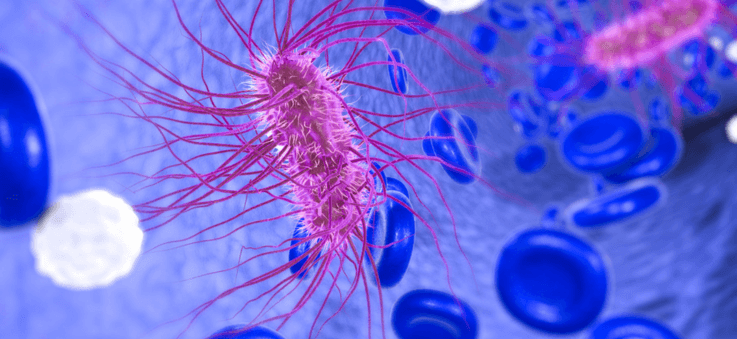
Conduct routine inspections of all water systems, including potable water supplies, swimming pools, spas, and HVAC systems. Regular testing for pathogens like Legionella and E. coli is essential.
Water treatment protocols
Ensure appropriate disinfection methods are in place, such as stabilised hydrogen peroxide treatment, chlorination or ultraviolet (UV) treatment, to maintain water quality. Choosing the right disinfection method requires careful evaluation of multiple factors.
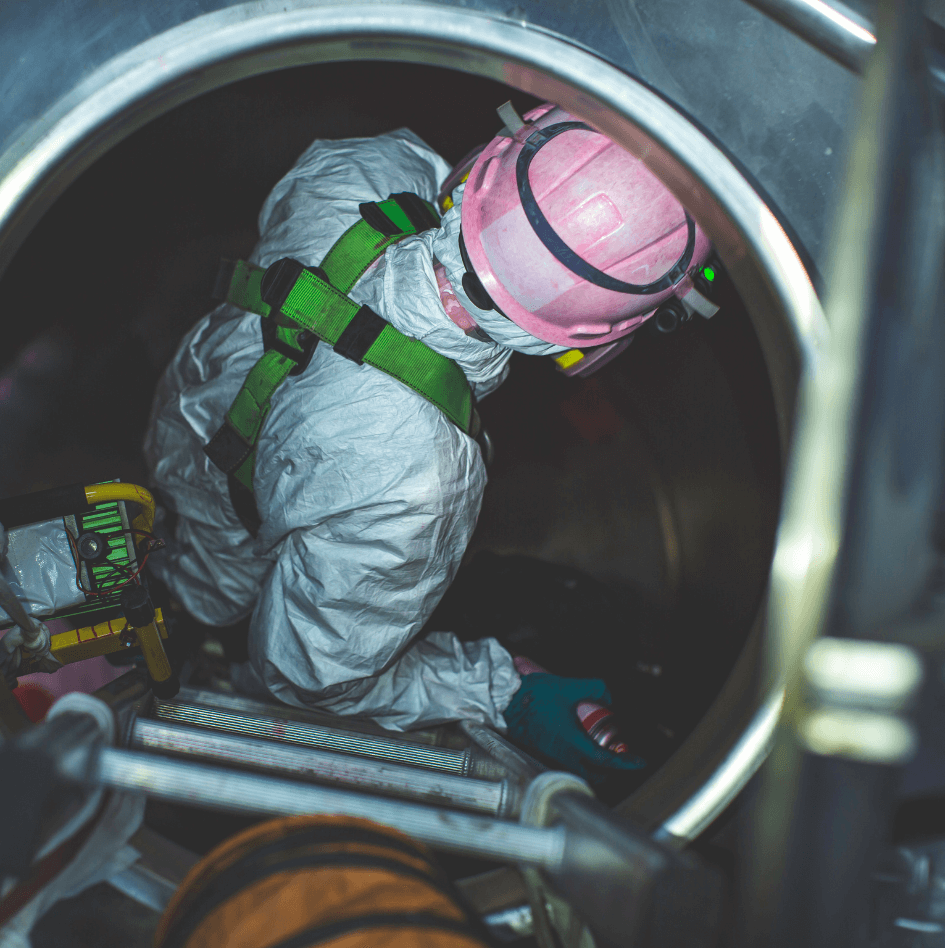
The method must eliminate pathogens but also be capable of effectively penetrating and eliminating biofilms – protective layers where dangerous pathogens can hide.
However, it’s equally important to consider potential drawbacks, including long term corrosive effects on equipment, whether neutralisation will be necessary, and the risk of creating harmful disinfection byproducts or exposure to toxic gasses.
Crew training
Educate crew members on the importance of water hygiene and train them in proper maintenance procedures and emergency response actions in case of contamination.
Passenger awareness
Inform passengers about the importance of personal hygiene, such as regular handwashing, and provide guidance on safe water consumption practices while on board.
Emergency response plans
Develop and rehearse response plans for potential outbreaks, including isolation procedures, communication strategies, and coordination with health authorities.
Comprehensive onboard water hygiene management
The hazards associated with failing to maintain water hygiene on board vessels are significant, with the potential for severe health consequences and operational disruptions.
By implementing rigorous water hygiene management practices, vessel operators can protect the well-being of passengers and crew, uphold their reputation, and ensure smooth sailing operations.